If you've ever lost a plant, the odds are it wasn't thirst that did it. Roots that sit in soggy soil can't breathe, and within a week or two they begin to rot from the inside out. The good news: avoiding it comes down to one habit you can build in a single afternoon.
Why over-watering kills more plants than drought
Healthy roots need both water and air. When soil stays saturated, the air pockets fill and roots suffocate, turning soft and brown. Most houseplants are far more forgiving of a missed watering than a constant one.
Water the plant, not the calendar. Your finger is a better guide than any weekly reminder.
The finger-test, step by step
Before you reach for the watering can, check the soil itself. It takes ten seconds and it is the single most reliable signal you have.
- Push a finger about two knuckles deep into the soil.
- If it feels moist and cool, wait a few more days.
- If the top two inches feel dry and crumbly, it's time to water.
- Always empty the saucer 15 minutes after watering so roots never sit in standing water.
What different plants prefer
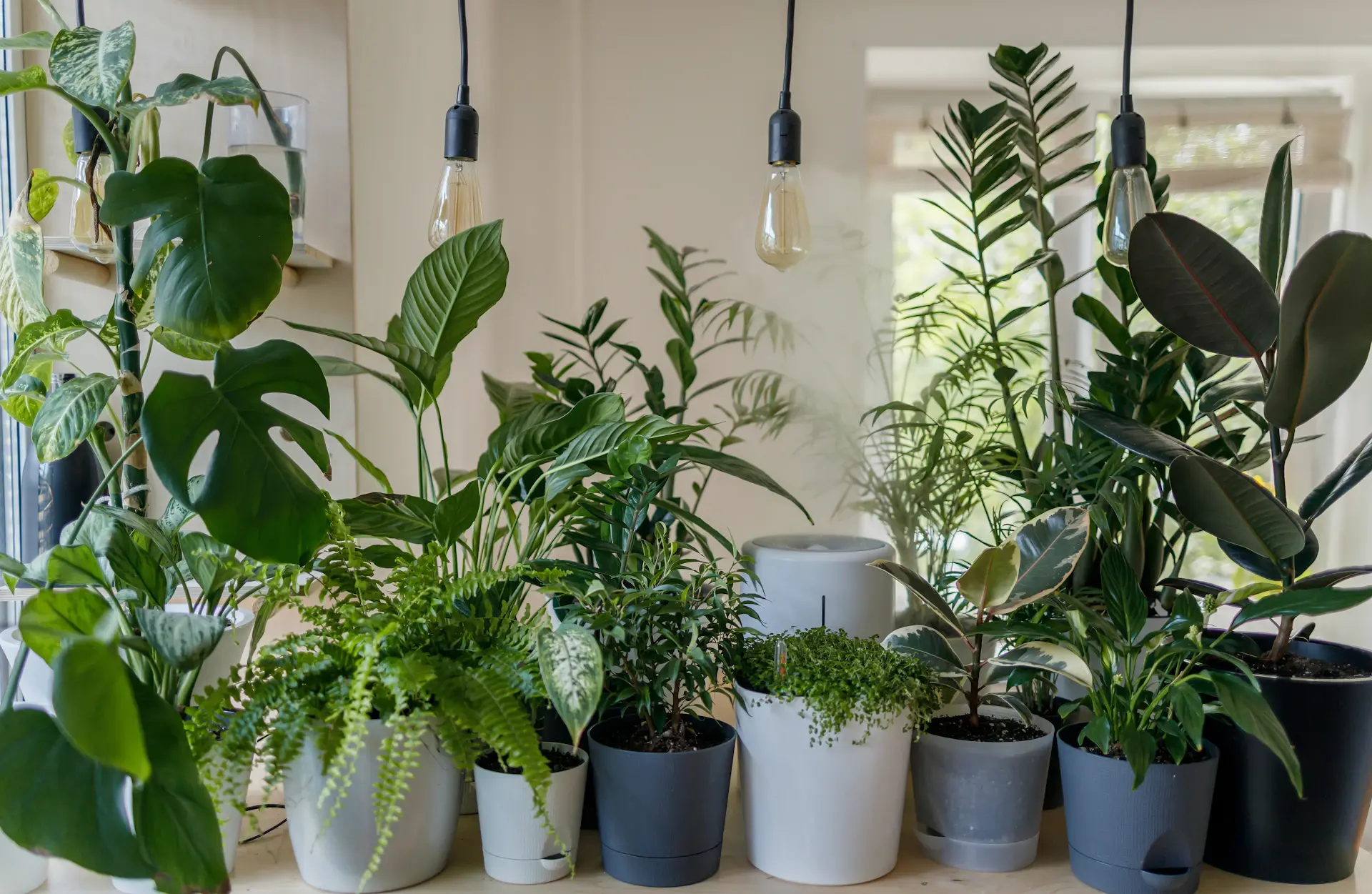
Succulents and snake plants like to dry out almost completely between drinks, while ferns and calatheas prefer steadily damp (never wet) soil. Match the rhythm to the plant, not the other way around.
Early signs of root rot
Caught early, root rot is reversible. Watch for these warning signs and act quickly:
- Yellowing lower leaves that feel limp rather than crisp.
- A musty, earthy smell from the soil surface.
- Mushy, dark roots when you gently lift the plant from its pot.
- Soil that stays wet for more than a week after watering.
If you spot rot, trim the affected roots with clean scissors, repot into fresh, well-draining mix, and hold off on watering until the plant settles.
Build a watering rhythm that works year-round
Plants drink more in the bright, warm months and far less in winter when growth slows. Rather than a fixed schedule, learn to read the soil and adjust with the seasons. Within a month, checking before you water becomes second nature — and your plants will thank you for it.